
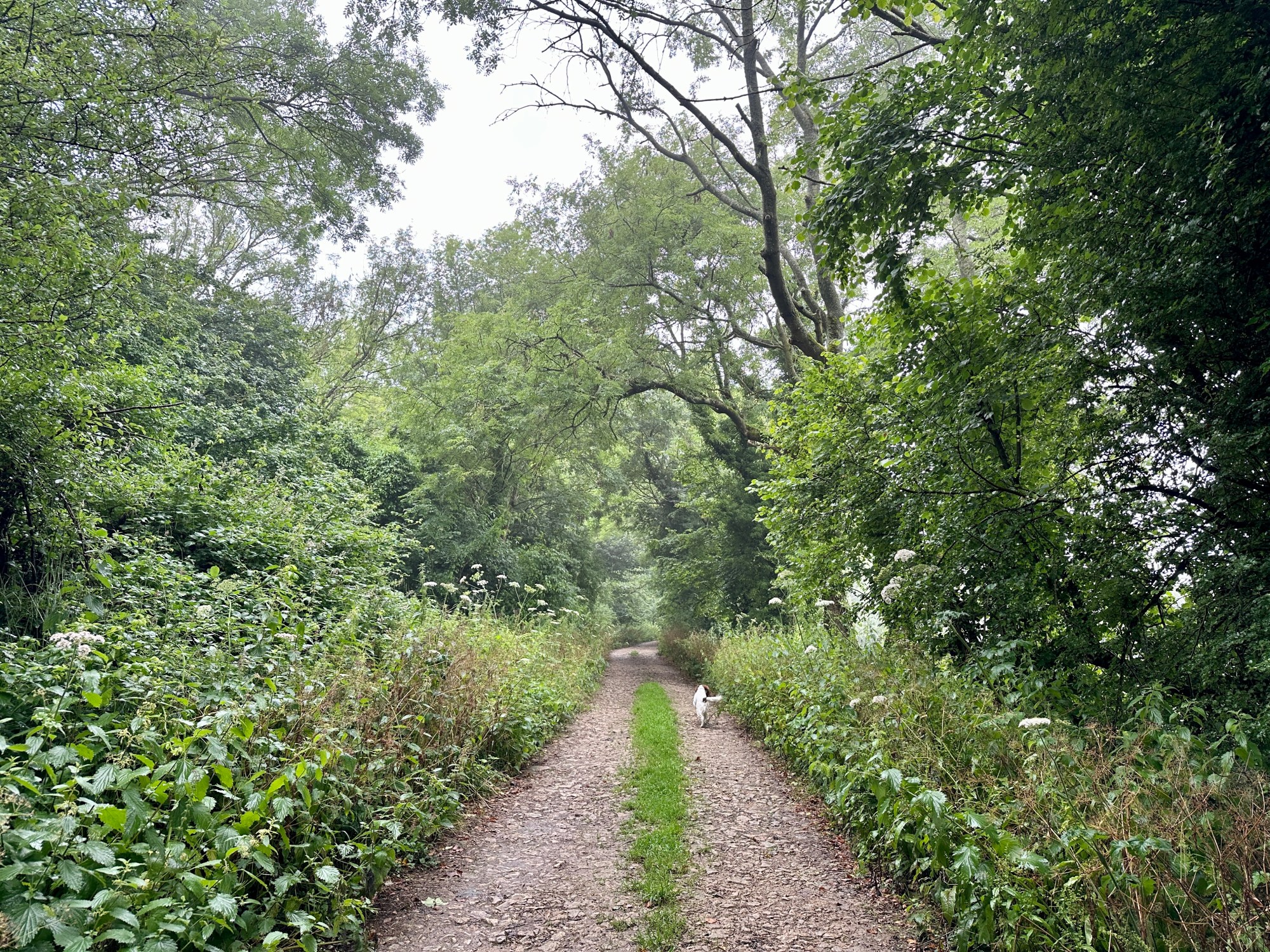
As I am writing this the heavens have open again and the silver lining of not having to water the garden has started to seriously lose its shine. The wet weather is getting to me and I have ordered 16 samples of wall paint to add some colour to the studio. Also, a mix of lingering jet-lag and intense (for me) training has left me really tired, mentally and physically so today I played training-truant, grabbed the dog and tried to shake the headaches and the sore throat with a wee walk in the country. And yes, it did help.
Murphy and I headed out of town, along the Winchcombe road to a walk we have done before a few times. It is called Nottingham Hill Circular and you can find a version of it on AllTrails. It’s not a long walk, just a couple of miles, but it is usually very peaceful and quiet and it doesn’t offer too many distractions in the form of wildlife, while presenting plenty of running space. Always a bonus when you’re walking with a springer in tow.
One long side of the walk runs for a while between two beautifully restored stone walls (I believe courses showing how to repair said walls are done along this stretch too).
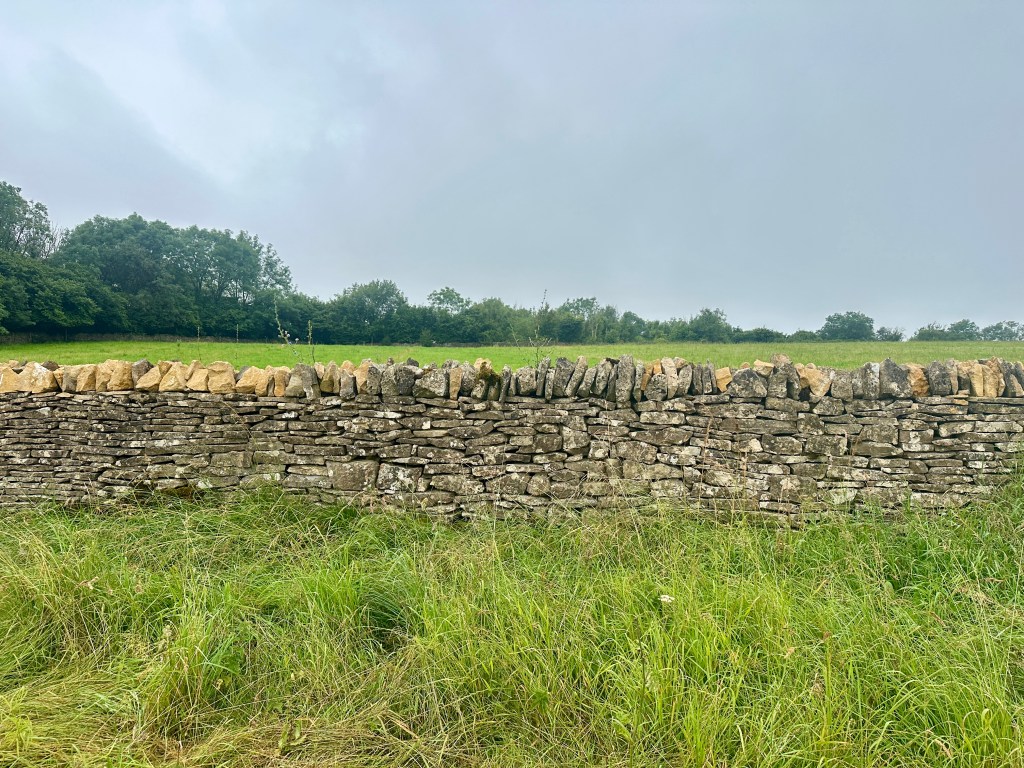
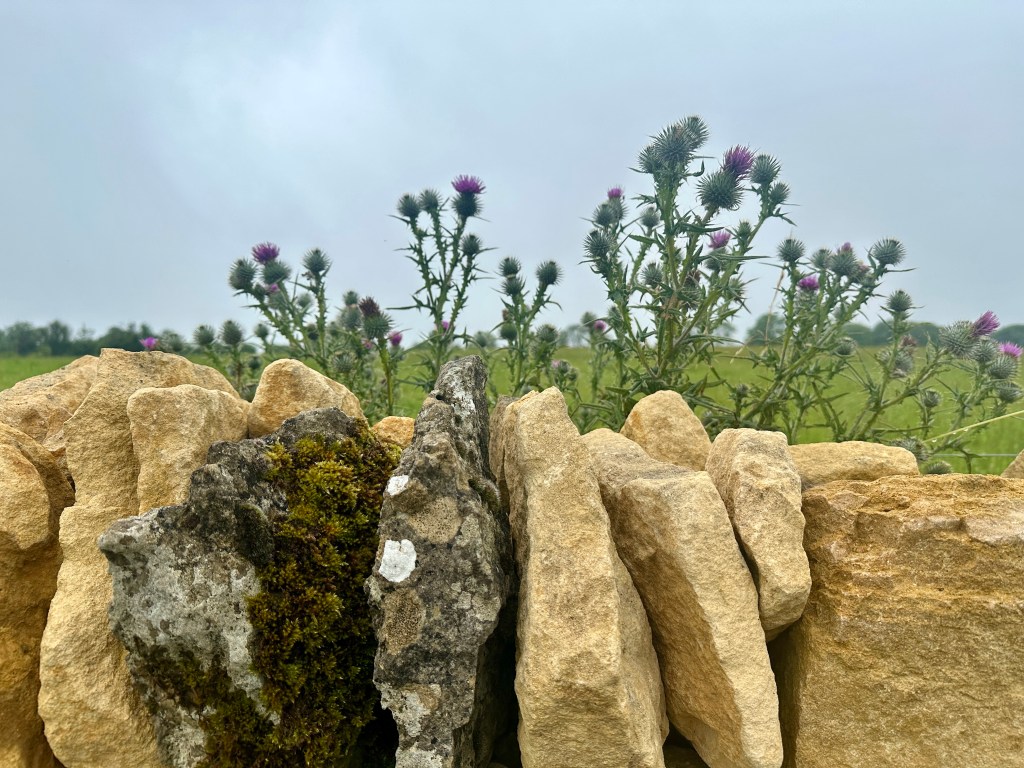
The ground along the walls is covered in wildflowers at this time of the year and the thought suddenly hit me of how I know absolutely nothing about them. Seriously, I could not name any of the most common field flowers growing around here and that is absolutely appalling, don’t you think? I travel all over the world and don’t know my own back yard. Classic.
Time to do something about it.
The following will seem obvious to most people, but… every journey begins with a single step.
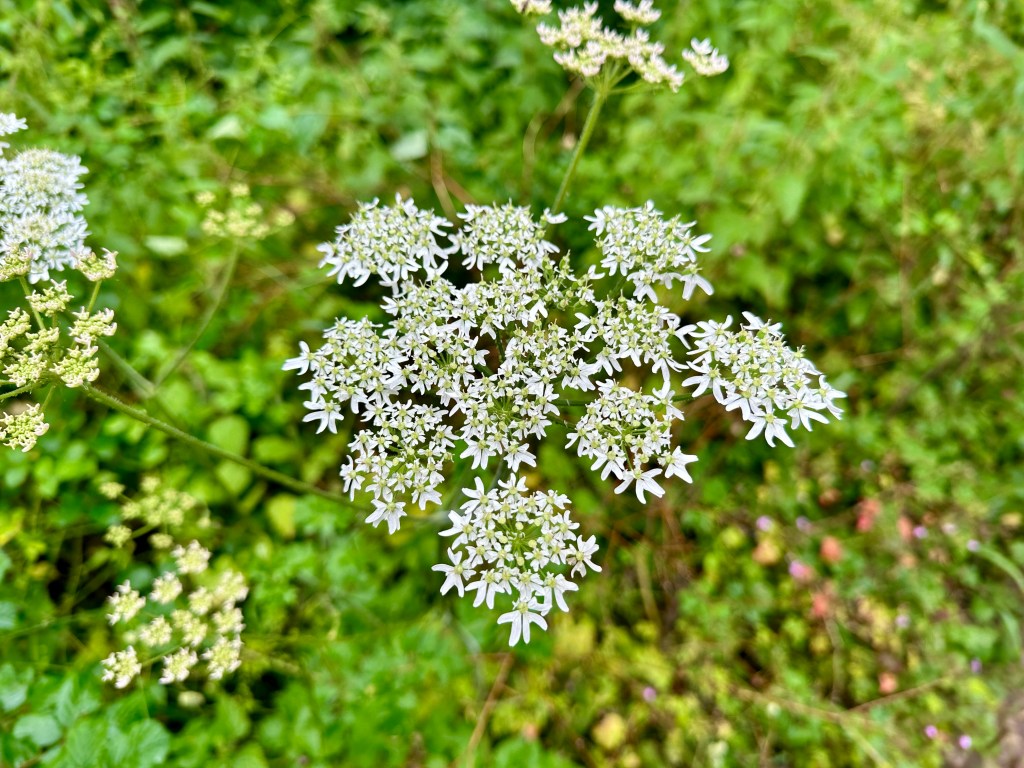
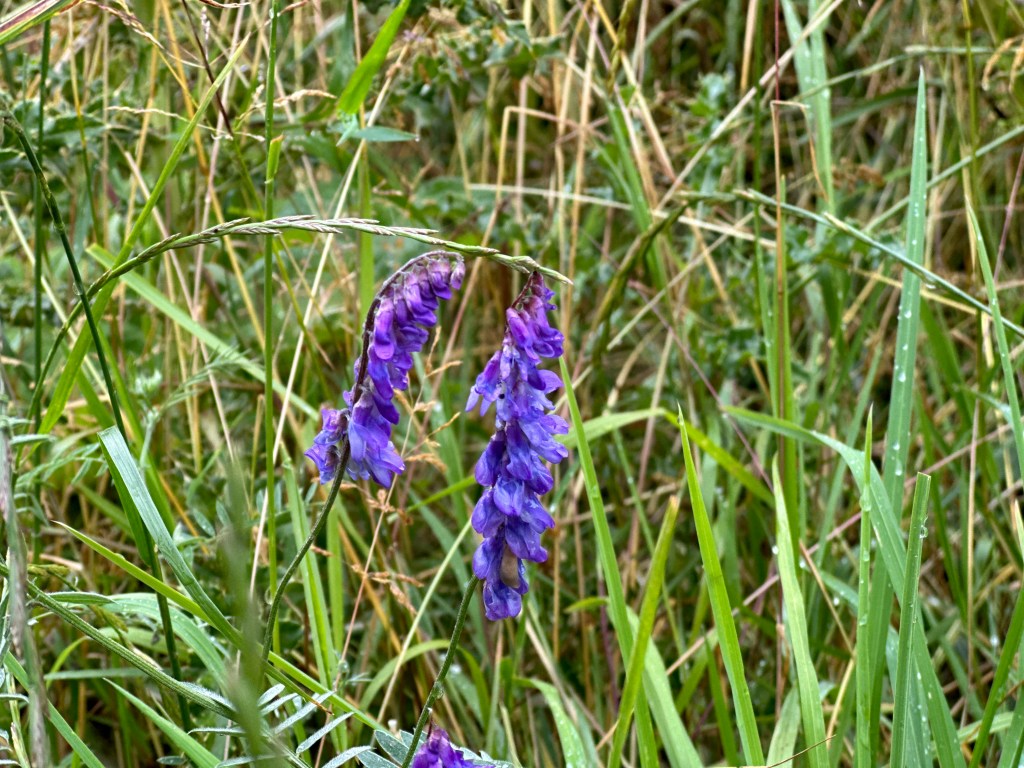
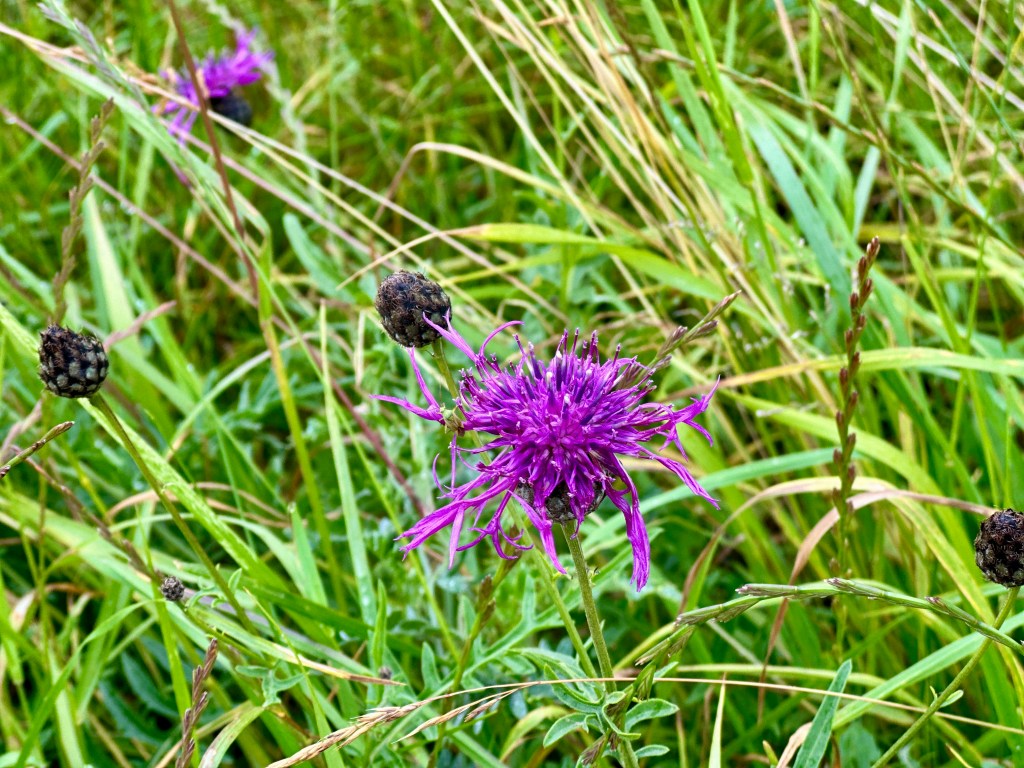

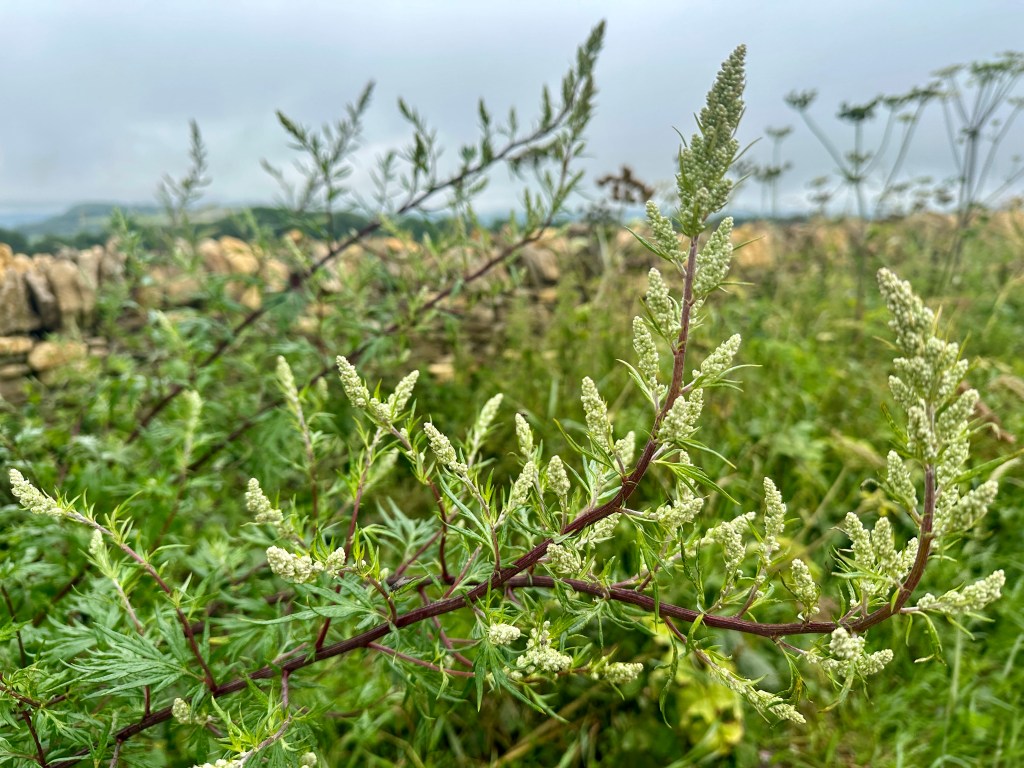
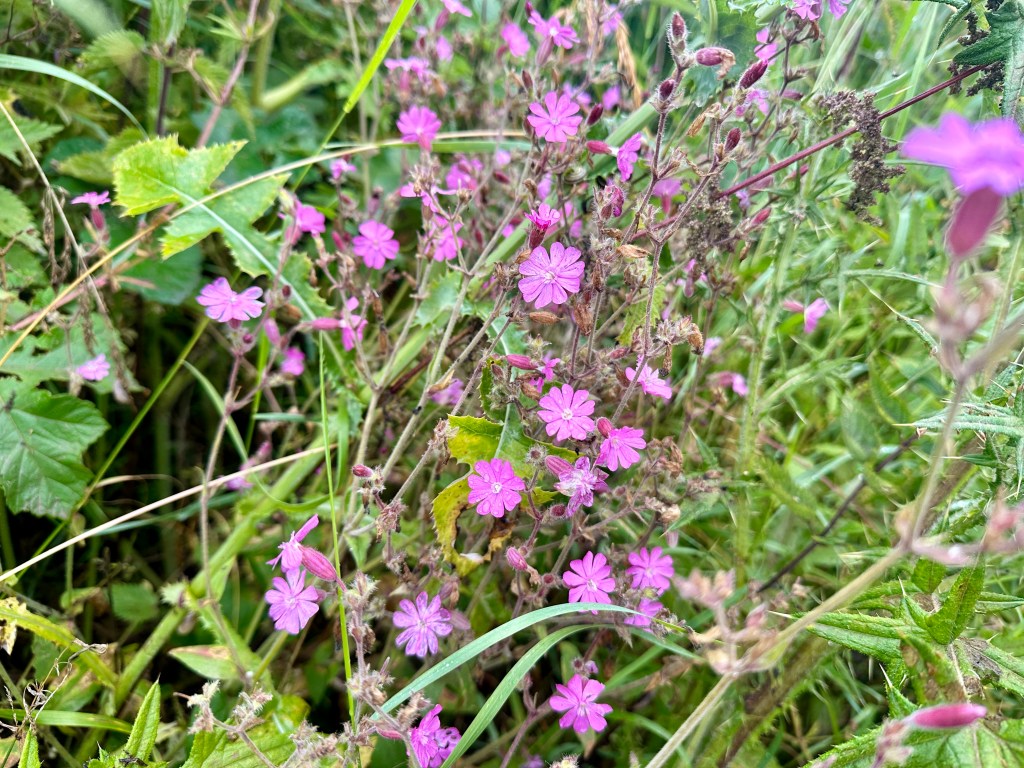
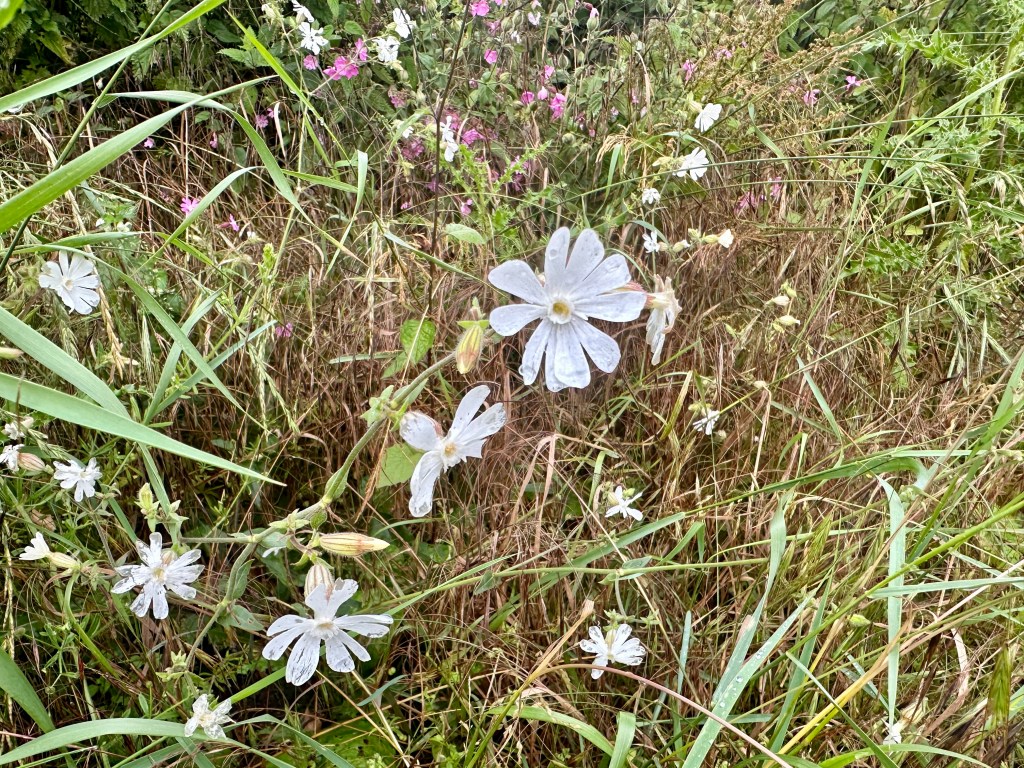
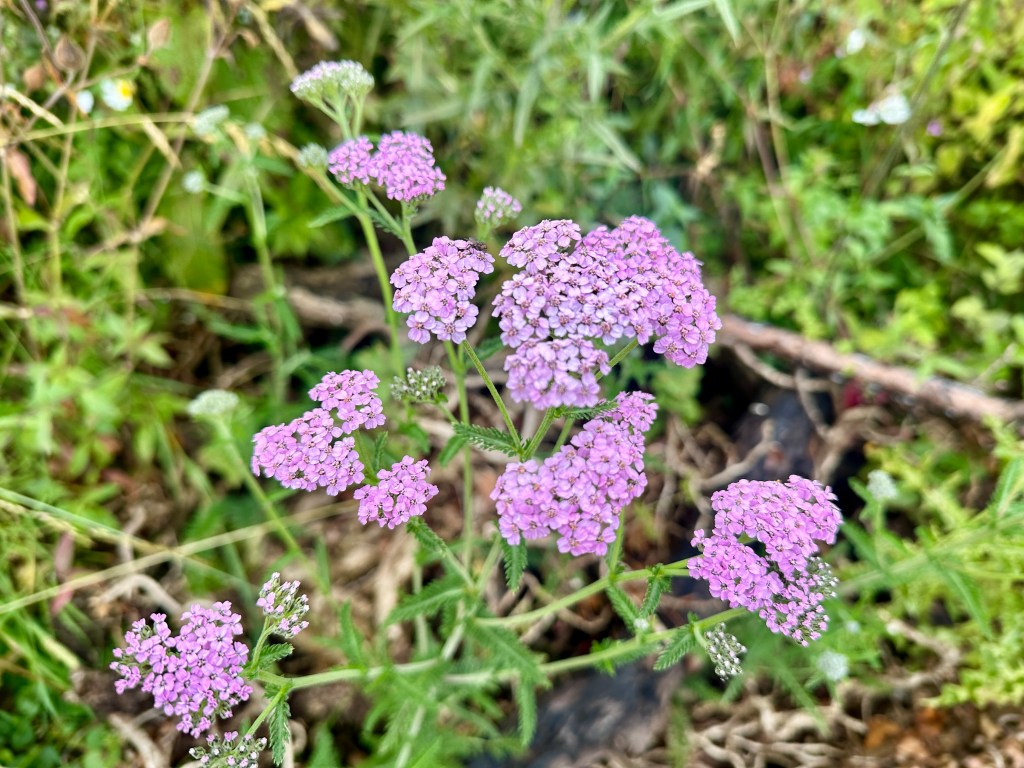
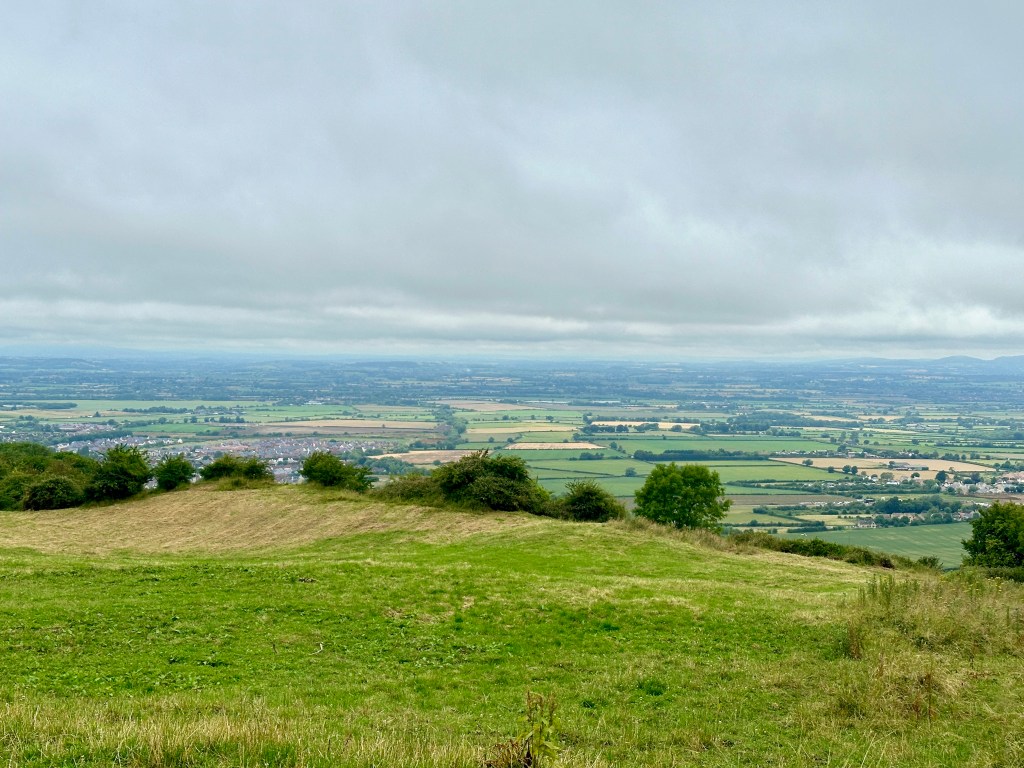
The fields were as full of flowers as the verges, and I forgot my ailments for a while. The path opens up to wide vistas and dives into woodlands. There is something for everyone.

And more flowers…
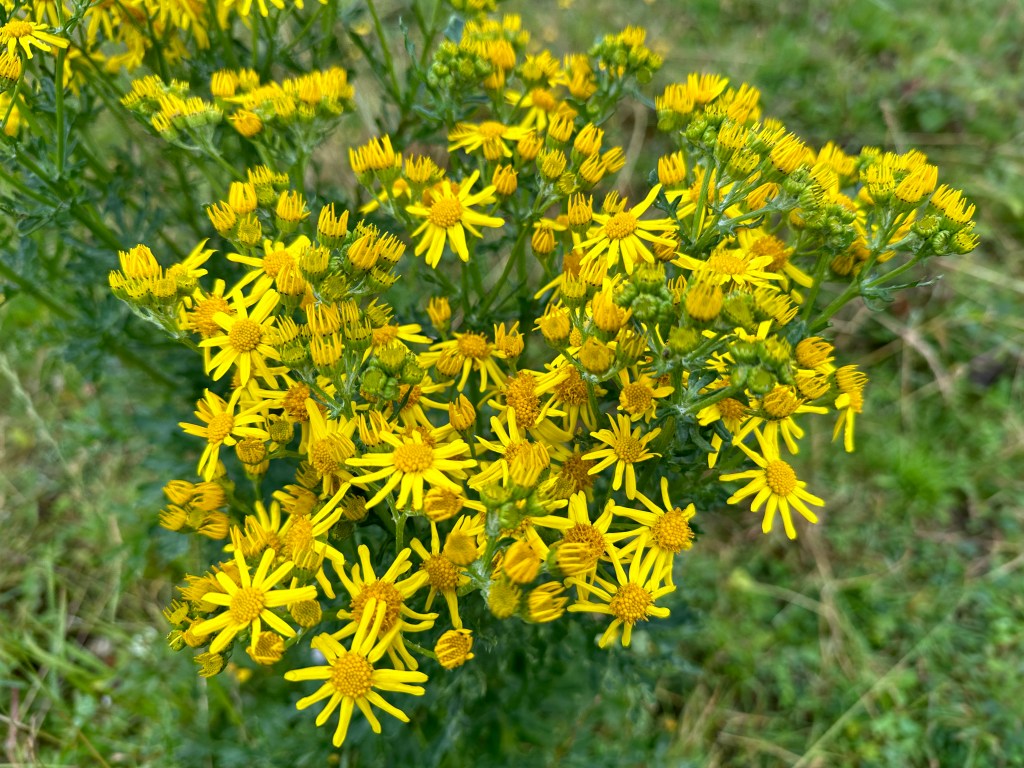
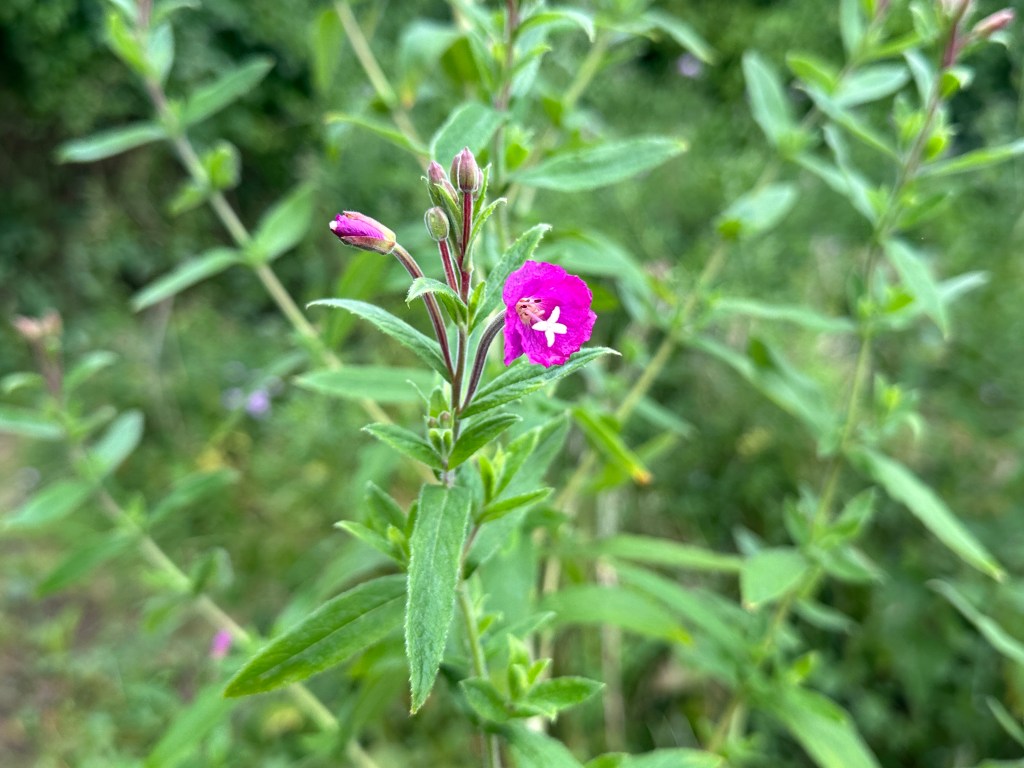
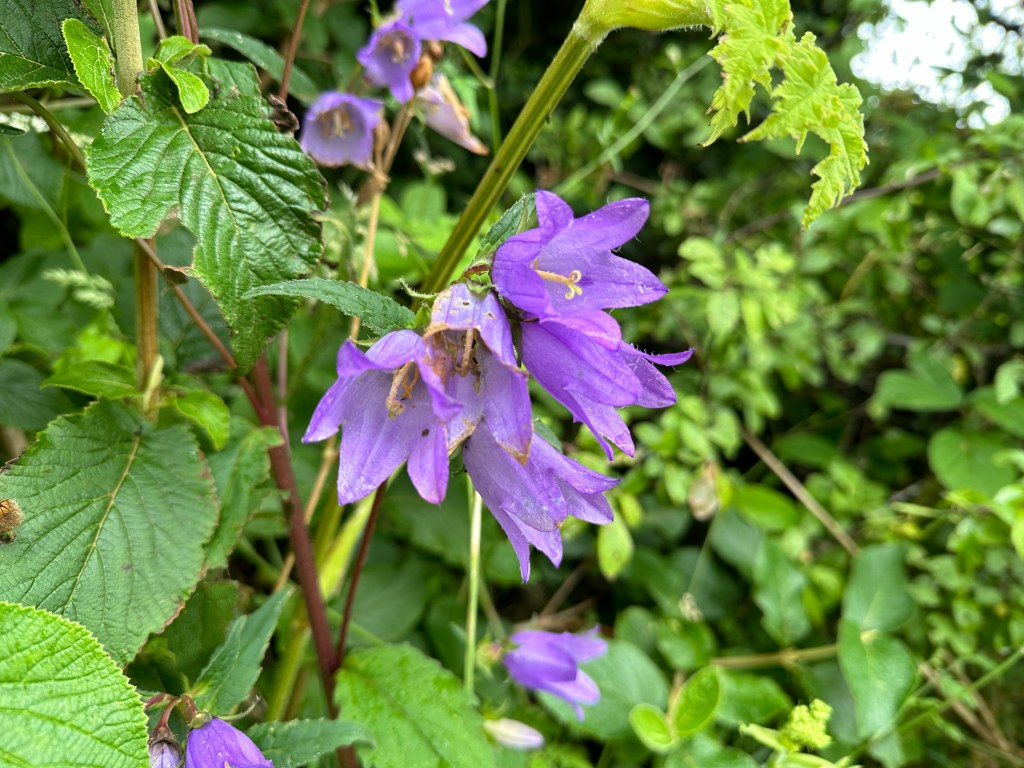
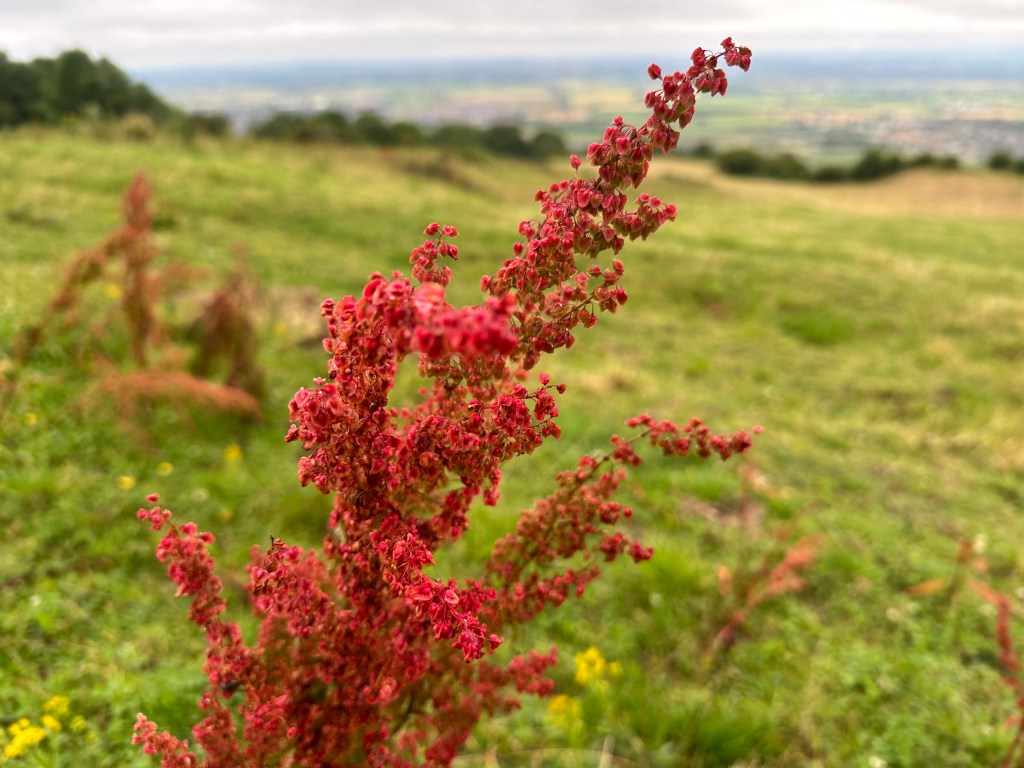

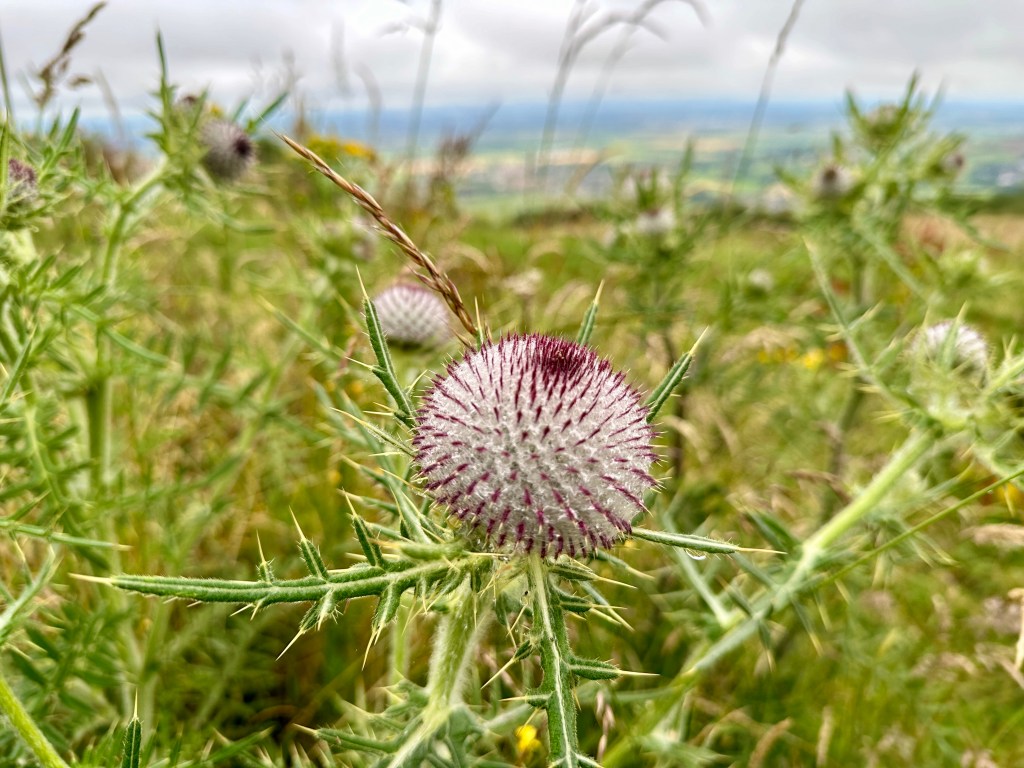
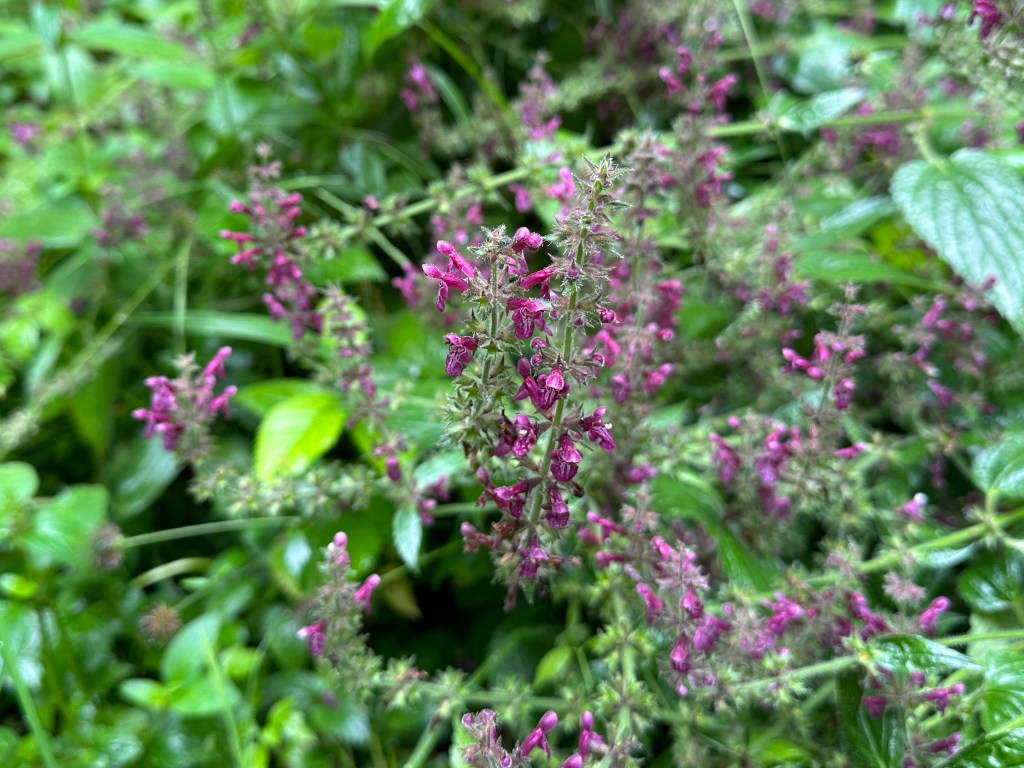
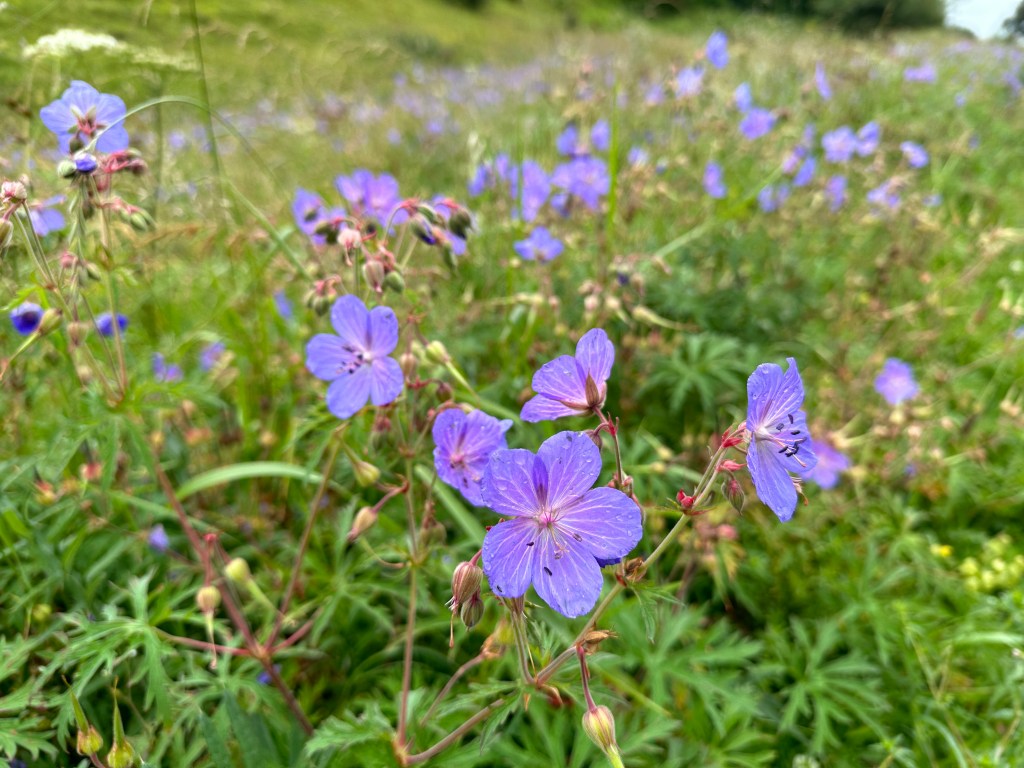


Now the job is remembering them for next time. No doubt there are many many more and then there the trees… geesh, the more you know the less you know…
Murphy was patient with me. He knows that all this new found interest will lead to more walks, so he’s happy.

As an aside: if you like are wondering why so many have the suffix ‘wort’, I will save you some research time. According to Gardening Know How:
Carolus Linnaeus, aka Carl Linnaeus, is credited with developing the plant classification system we use today. Working in the 1700s, Linnaeus created the format for binomial nomenclature. This system identifies plants and animals by genus and species name. Before Linnaeus, plants were grouped differently, and this is how the word “wort” came into common use. Wort is a derivation of the word “wyrt,” an old English word meaning plant, root, or herb. The suffix wort was given to plants that were long considered beneficial. The opposite of wort was a weed, such as ragweed, knotweed, or milkweed. Just like today, “weeds” referred to undesirable types of plants (though this isn’t always the case). Sometimes, plants were given the suffix “wort” because they looked like a part of human anatomy. Liverwort, lungwort, and bladderwort are such plants. The theory was if a plant looked like a body part, then it must be good for that particular organ. It’s easy to see the flaw in that line of thinking, especially when one considers liverwort, lungwort, and bladderwort have toxic properties and don’t cure liver, lung, or bladder diseases. Other plants garnered the “wort” ending as they were considered medicinal plants used for the treatment of specific symptoms. Even in modern times, the purpose of feverwort, birthwort, and bruisewort seems self-explanatory. Not all members of the wort family of plants have names that clearly identified their suggested use. Let’s consider the spiderwort. Whether it was named for the spider-like shape of the plant or its silky strands of sap, this beautiful flowering plant is definitely not a weed (well, not always anyway). Nor was it medicine for spiders. It was used in the treatment of insect stings and bug bites, which presumably included those inflicted by arachnids.
 the-wanderings.com